  • Faith, Spirituality and Art

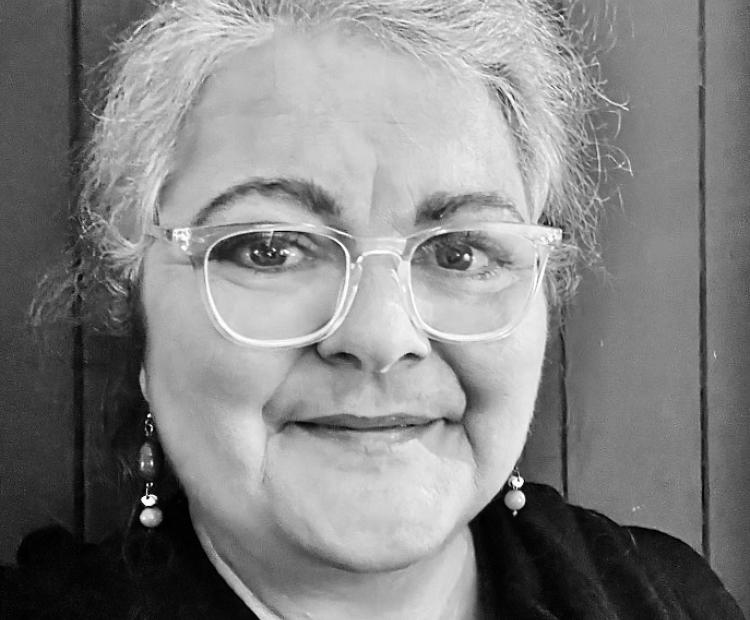
    Tom Inglis

    I am living in bad faith. Western civilisation is decaying. Homo sapiens is self-destructing. The planet is burning and, all the while, I stand idly by. It is the malaise of modernity. I could choose to live a holistic, ecologically sustainable life; but I don’t. I could give up getting and spending; but I don’t. I am distracted and dazzled by the market and the endless desires it stirs in me. I want to be at one with nature and the cosmos, but I do little or nothing about it. I admire and appreciate the wonder of the world and the beauty of other species. I am in their presence, but I feel I don’t belong. I have a sense of being set apart and different. Following centuries of religious propaganda, I have been deluded into thinking that humans are special, that we are God’s chosen species.
  • Ancestral Echoes

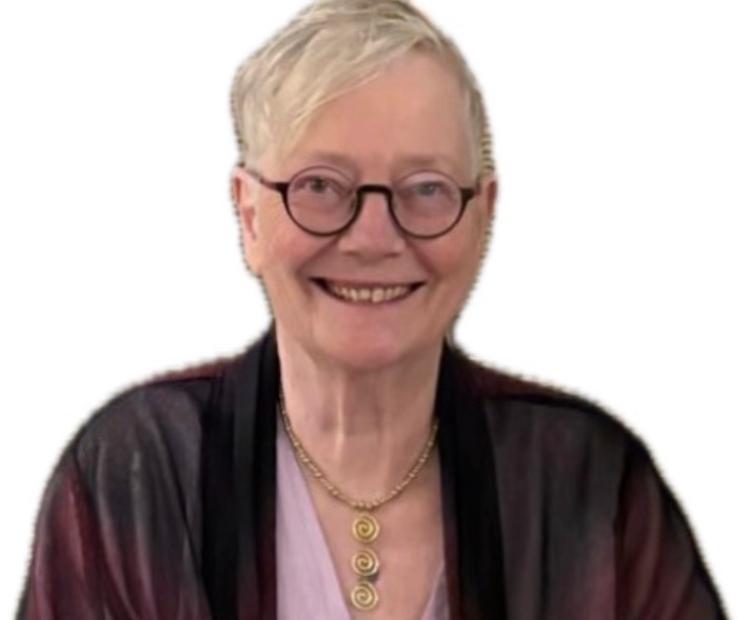
    Ger Moane

    My first experience of numinosity was at a ritual that is part of Catholicism, namely my first holy communion. I remember it to this day (though not so vividly as in my younger days). As I walked down the aisle, I was embraced by an uplifting radiant white light and a sense of being in another realm. I didn’t, at the time, have a name for this experience or even the realisation that it was something special.

  • From Island to Archipelago: Navigating Ireland's Religious Landscape

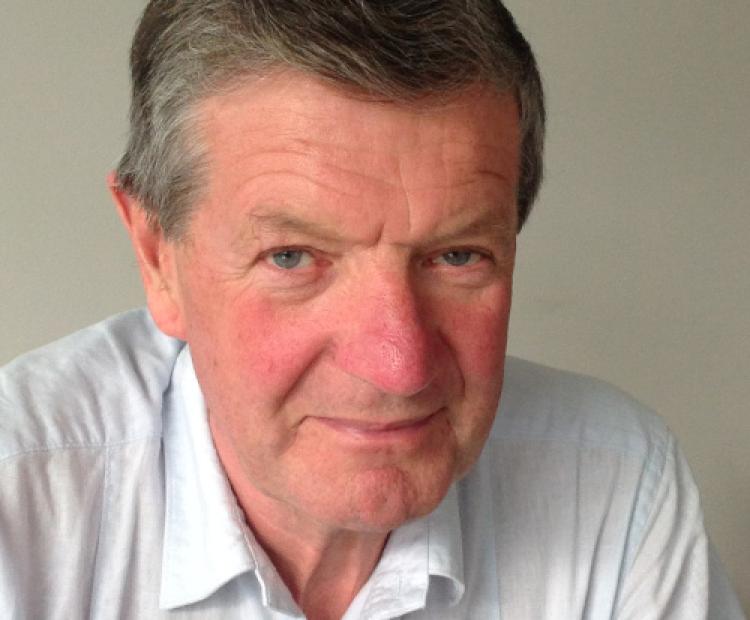
    Gladys Ganiel

    The sociology of religion presents itself as a science: it uses established methods to gather and analyse data about beliefs, practices, and institutions. While there is always some interpretive ‘art’ involved, my role as a sociologist is primarily to observe, measure, and explain patterns in religious life, drawing on evidence to identify broader trends.

    Until recently, Ireland stood out as an ‘island of faith’ within a secularised Europe. Today, it is clear that Christianity is declining. But it is also clear that religion hasn’t gone away.

  • Faith, spirituality and art: new perspectives for the twenty-first century?

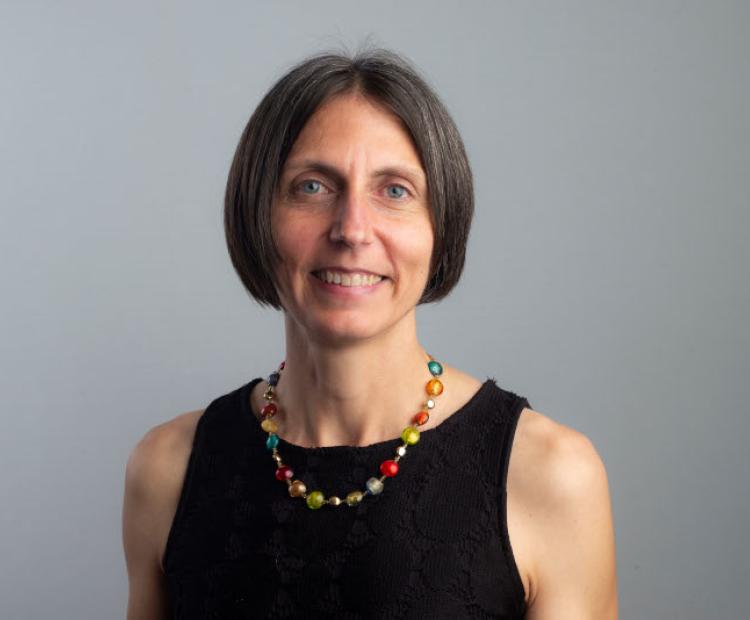
    Siobhán Garrigan

    Every door on the third-floor corridor was locked, because treatment centres for people experiencing fentanyl addiction need to keep the people inside the rooms safe. However, as we passed one particular door, the Corkman who directs this visionary Canadian facility and who was giving a small group of us a tour exclaimed, “Oh! No! Hang on!” and doubled back, shuffling through his keys to find the right one. “Siobhán, I want you to see this room and I bet when I open this door, you’ll know exactly why I’m opening it for you!” He unlocked the door to reveal a lovely, bright, large circle of a room set up for people to make art. It was filled with desks, easels, papers, and copious supplies for mark-making.

About

We are professional and reliable provider since we offer customers the most powerful and beautiful themes. Besides, we always catch the latest technology and adapt to follow world’s new trends to deliver the best themes to the market.